Bartallama3D

Design & Prototyping

From design to finished part.

We design custom parts to your specifications, build prototypes, and offer production services. Take just the design, or take it all the way to production.

CAD design

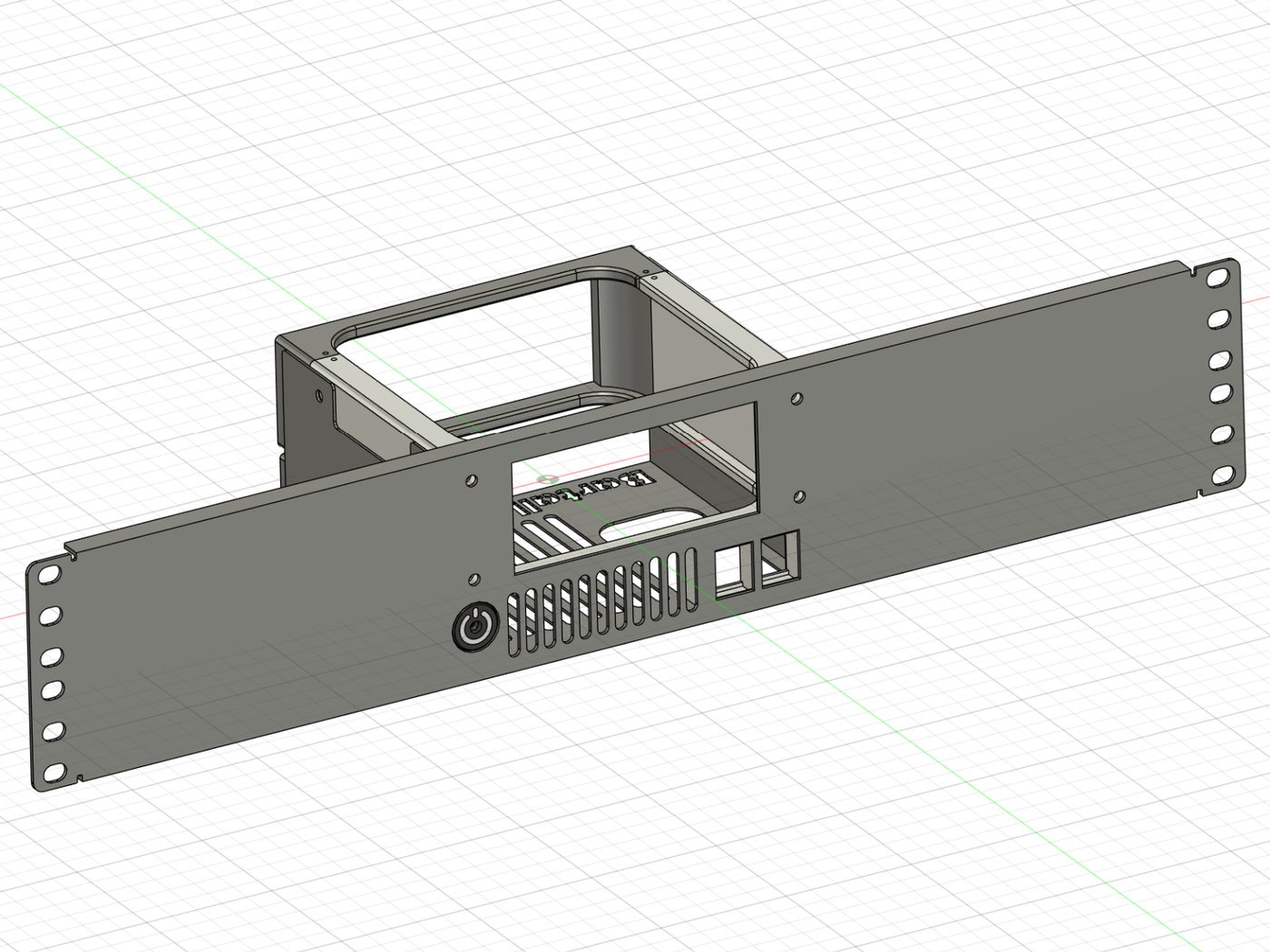
Parts designed for manufacturing

We design parts in CAD that are ready for 3D printing or metal fabrication. You bring the requirements and we turn them into a part that can be manufactured.

There are two ways to work with us:

You want the design files. We bill you for the time it took us to create the files and you receive the files in the end. Manufacture the parts yourself or take them to someone else for manufacturing.

You want the parts. You commit to a prototype and a production volume. The design files stay with us and if you decide not to go ahead after the prototype, you only pay for a portion of the design work.

Parts with metal components are made with our production partners (see Metal Fabrication).

Prototyping

Test it before you make a batch.

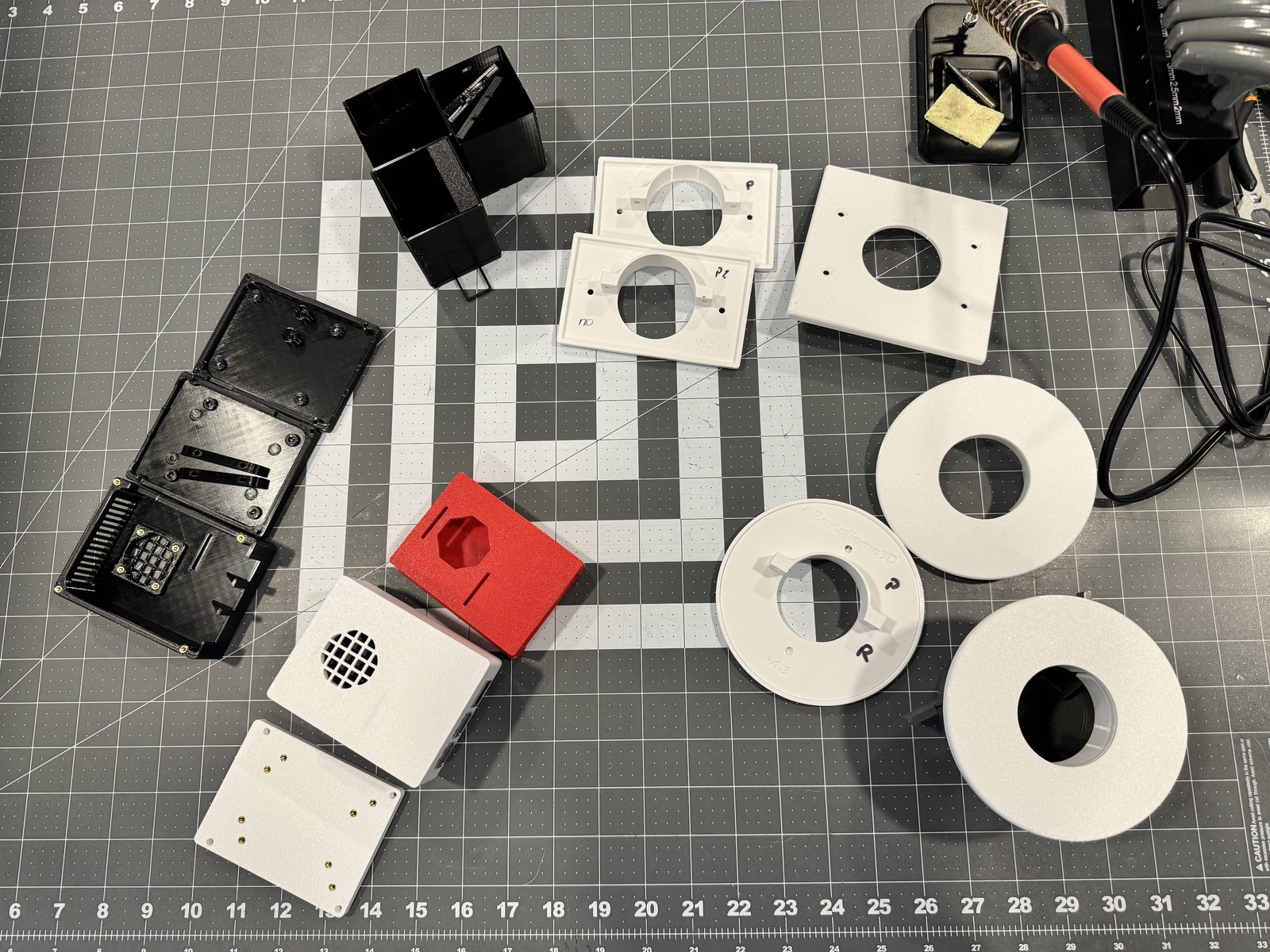
We offer prototyping services in conjunction with our design services. Before you order a full batch, we can print a few prototypes so you can test them. This works with a design we made for you or with your own files.

We work with you to understand how the parts should work together and the tolerances you are trying to achiveve with the final parts. For each round, you can try the part, tell us what to change, and we print the next version until it works the way you need.

Plastic Prototypes are billed at our 3D printing rates.

Manufacturing planning

From a prototype to a batch.

Once the design is final, we help you plan production in whatever way you need. We can make the parts ourselves, or produce larger or more involved runs with our production partners.

Sourcing other parts, assembly, packaging and labeling are optional add-ons.

Reorders are simple. The design and setup are already done, so a reorder is billed at our current rates for the parts.

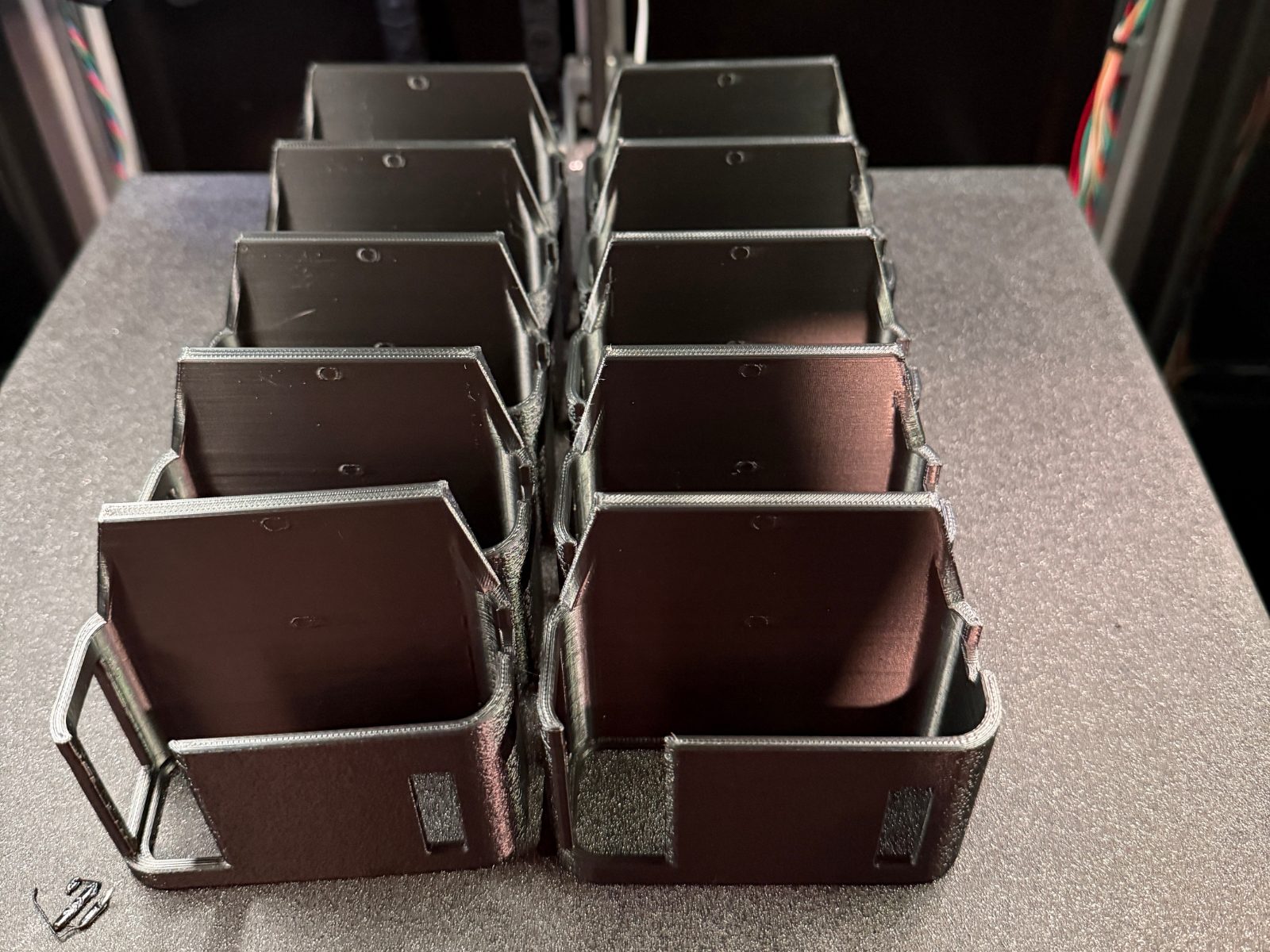
Every part we print is made in our shop in Bellevue, Washington, from plastic made in the USA. With our production partners, Made in USA is possible, though it may cost more.

Confidentiality

You decide what we share.

We love talking about our work, and we're just as good at keeping secrets, at whatever level your project needs. By default, we never share your design files or project details.

With your permission, we may ask you to share photos of the design or prototypes on Instagram. That's completely optional, and we'll talk about it with you during the project.

When a production partner makes a part, they receive the files they need to make it. They never receive what the part is for or what it goes into.

Customer story

Replacing cardboard boxes in a device lab.

The customer and the details of this project are confidential. We're sharing the story to show how we work with a customer, from the first conversation to repeat production.

The problem

A device lab reached out about a problem in their lab. They needed to mount a camera inside a box, looking down at a device placed below it. Until then they had used cardboard boxes. The boxes worked well enough, but the lab manager was worried about having cardboard in the lab: the building's fire code didn't allow it.

Understanding how they worked

We started by spending about two hours with the team, learning how they used the cardboard boxes and talking through everything that bothered them. That turned into a list of requirements: the size and position of the camera, the cables that had to get into the box, easy access for technicians, keeping light out, labels that could be swapped, keeping the boxes organized, the size of the device inside, and the fire requirement.

A generic enclosure might have covered some of that list, but none of them covered all of it.

The design

We designed a box with a door that closes with magnetic latches and keeps most outside light out. The lab didn't need it perfectly dark inside, just consistent.

For the material we chose PETG. It isn't a fire-resistant plastic, but it tends to melt rather than catch fire, and it met the lab's requirements.

Inside, a custom platform holds the camera in exactly the same position every time it's installed. Cutouts in the back route each data cable to where it needs to go.

The lab runs these devices in groups of seven, so from the start we designed the boxes to join together. Screws and braces on the back connect them into one unit, two boxes high and three to four wide, that moves as one piece.

Prototypes and testing

Because we had the full list of requirements, we could build and check the first versions in our own shop before anyone at the lab saw them. We made two to three prototype boxes and delivered them on site. The lab tested them for two weeks. Their users said the new boxes worked much better than the cardboard ones, mainly because the lighting and the camera alignment stayed the same every time.

The result

The lab manager got boxes that meet the building's fire code and are easy to service. With the parts inside aligned and the doors latching themselves shut, his team spends much less time working inside the boxes.

After an initial order, the lab has placed two more production runs. We deliver them locally, with no new design or prototyping needed.

Have a part in mind?

Send us your requirements and we'll come back with a timeline and a quote.

Start a project